Introduction
As the UAE continues to strengthen its regulatory framework, businesses are expected to maintain high standards of financial transparency, governance, and operational efficiency. The introduction of Corporate Tax, evolving VAT regulations, Anti-Money Laundering (AML) requirements, and free zone compliance obligations have made internal audit an essential business function rather than an optional exercise.
An effective internal audit helps organizations identify risks, strengthen internal controls, improve operational efficiency, and ensure compliance with UAE laws. Whether you operate in Dubai, Abu Dhabi, Sharjah, or any other emirate, a structured internal audit process can safeguard your business from financial risks and regulatory penalties.
At Elysian Consulting Group, we provide professional Internal Audit Services across the UAE, helping businesses build strong governance frameworks, improve financial controls, and maintain regulatory compliance.
What is Internal Audit?
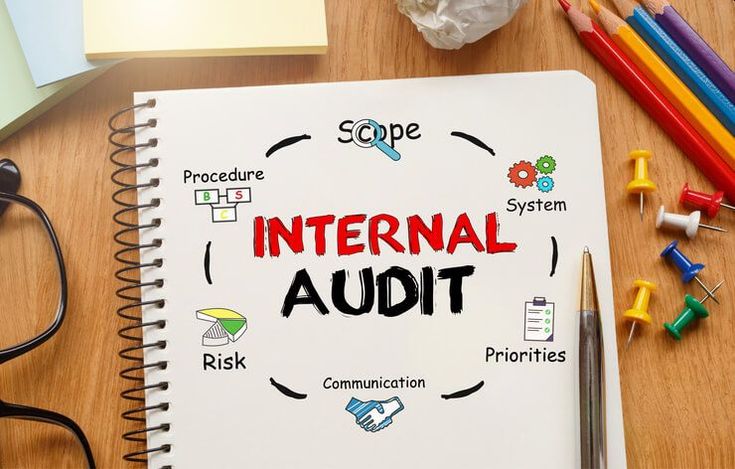
Internal audit is an independent and objective review of an organization’s operations, financial processes, risk management systems, and internal controls. Unlike external audits, which primarily focus on statutory financial statements, internal audits evaluate the effectiveness of business operations and identify opportunities for improvement.
The primary objective of an internal audit is to provide management with valuable insights that enhance business performance while reducing financial and operational risks.
Internal audits also assist organizations in preparing for external audits, tax assessments, and regulatory inspections.
Internal Audit vs External Audit
Although both audits play an important role, they serve different purposes.
| Internal Audit | External Audit |
|---|---|
| Evaluates internal controls and business operations | Reviews financial statements |
| Conducted by in-house professionals or outsourced consultants | Conducted by independent licensed auditors |
| Focuses on risk management and operational improvements | Focuses on statutory compliance |
| Performed throughout the year | Usually conducted annually |
| Reports to management | Reports to shareholders and regulators |
Businesses achieve the best results when internal and external audits work together.
Why Internal Audit is Important in the UAE
The UAE business environment is becoming increasingly regulated. Companies are expected to maintain accurate financial records, comply with Corporate Tax regulations, and implement strong governance practices.
A professional internal audit helps businesses:
- Improve financial accuracy
- Reduce operational risks
- Detect fraud and financial irregularities
- Strengthen internal controls
- Ensure Corporate Tax compliance
- Support VAT compliance
- Improve business efficiency
- Increase investor confidence
- Enhance corporate governance
- Prepare for external audits
Rather than identifying problems after they occur, internal audits help businesses prevent issues before they become costly.
UAE Internal Audit Requirements
Although internal audit may not be mandatory for every company, many organizations are expected to maintain effective internal control systems.
Businesses that benefit significantly from internal audit include:
- Large mainland companies
- Free Zone entities
- Financial institutions
- Healthcare organizations
- Logistics companies
- Trading businesses
- Manufacturing companies
- Construction firms
- Retail businesses
- Professional service providers
Companies with higher turnover, multiple branches, or complex financial transactions should conduct regular internal audits to improve compliance and operational efficiency.
Benefits of Internal Audit
1. Better Risk Management
Every business faces financial, operational, technological, and regulatory risks. Internal audits identify these risks early and recommend practical solutions.
2. Improved Compliance
The UAE regulatory environment continues to evolve with Corporate Tax, VAT, AML, ESR, and Ultimate Beneficial Ownership (UBO) requirements.
Internal audits help businesses remain compliant and avoid penalties.
3. Stronger Internal Controls
Weak internal controls often result in:
- Financial errors
- Fraud
- Duplicate payments
- Revenue leakage
- Unauthorized transactions
Internal audits evaluate existing controls and recommend improvements.
4. Operational Efficiency
Internal auditors review workflows to eliminate unnecessary processes and improve productivity.
This helps businesses reduce costs while increasing profitability.
5. Better Decision-Making
Reliable financial information enables management to make informed strategic decisions.
Internal audits improve reporting accuracy and provide valuable business insights.
Internal Audit Process
At Elysian Consulting Group, our internal audit process follows a structured methodology.
Step 1 – Risk Assessment
We identify operational, financial, tax, compliance, and business risks specific to your organization.
Step 2 – Audit Planning
We define the audit scope, objectives, timelines, and resources required for the engagement.
Step 3 – Fieldwork
Our auditors review documents, interview employees, test controls, and analyze business processes.
Step 4 – Audit Report
A detailed report is prepared outlining:
- Key findings
- Risk areas
- Compliance gaps
- Recommendations
- Action plans
Step 5 – Follow-up Review
After implementing recommendations, we perform follow-up assessments to ensure continuous improvement.
Areas Covered During Internal Audit
Our Internal Audit Services in UAE typically cover:
Financial Controls
- Revenue recognition
- Cash management
- Bank reconciliations
- Accounts receivable
- Accounts payable
- Expense controls
Corporate Tax Compliance
- Corporate Tax calculations
- Tax documentation
- Record keeping
- Transfer pricing readiness
- Compliance reviews
VAT Compliance
- VAT registration
- VAT return review
- Input VAT recovery
- Tax invoice verification
Operational Audit
- Procurement
- Inventory management
- Sales process
- Human resources
- Asset management
IT Audit
- Cybersecurity controls
- Data protection
- System access controls
- Backup procedures
Risk Management
- Fraud prevention
- Business continuity
- Regulatory compliance
- Governance framework
Internal Audit Checklist
Businesses should regularly review whether they:
- Maintain proper accounting records.
- Perform monthly bank reconciliations.
- Keep supporting documentation for all transactions.
- Segregate financial duties.
- Review Corporate Tax obligations.
- Verify VAT compliance.
- Monitor payroll records.
- Protect sensitive business information.
- Maintain authorization procedures.
- Conduct regular compliance reviews.
If any of these areas require improvement, an internal audit can identify practical solutions.
Common Internal Audit Challenges
Many organizations experience challenges such as:
- Inadequate documentation
- Weak financial controls
- Manual accounting processes
- Compliance gaps
- Lack of risk management
- Poor segregation of duties
- Limited internal expertise
Outsourcing internal audit services allows businesses to benefit from experienced professionals while reducing operational costs.
Why Choose Elysian Consulting Group?
At Elysian Consulting Group, we help businesses across the UAE strengthen financial controls, improve governance, and achieve regulatory compliance.
Our services include:
- Internal Audit Services
- External Audit Support
- Corporate Tax Advisory
- VAT Consultancy
- Accounting & Bookkeeping
- Risk Assessment
- Financial Reporting
- Compliance Advisory
- Business Process Reviews
Our experienced professionals provide practical recommendations tailored to your industry, helping your business operate more efficiently while remaining compliant with UAE regulations.
Frequently Asked Questions
Is internal audit mandatory in the UAE?
While not mandatory for every company, many organizations benefit significantly from regular internal audits to strengthen governance and regulatory compliance.
How often should internal audits be conducted?
Most businesses should perform internal audits annually, while larger organizations may benefit from quarterly or risk-based reviews.
Can internal audit help with Corporate Tax compliance?
Yes. Internal audits review financial records, tax processes, and internal controls to ensure businesses meet UAE Corporate Tax requirements.
What industries require internal audit?
Internal audits are valuable for businesses in trading, manufacturing, healthcare, construction, logistics, retail, hospitality, financial services, and professional services.
Conclusion
Internal audit is no longer just a compliance requirement—it is a strategic tool that helps businesses improve efficiency, reduce risks, strengthen governance, and support sustainable growth. As the UAE’s regulatory landscape continues to evolve, organizations that invest in effective internal audit practices are better positioned to maintain compliance, protect their assets, and make informed business decisions.
At Elysian Consulting Group, we are committed to helping businesses across the UAE establish strong internal control systems, improve financial transparency, and achieve long-term success. Whether you are a startup, SME, or large enterprise, our experienced professionals provide tailored internal audit solutions that align with your business objectives and regulatory obligations.
Looking for reliable Internal Audit Services in the UAE?
Contact Elysian Consulting Group today to schedule a consultation and discover how our expert audit, tax, accounting, and compliance solutions can help your business stay compliant, efficient, and future-ready.
Sivaprasad R
Business Development Manager
Elysian Consulting Group
Sivaprasad R is the Business Development Manager at Elysian Consulting Group, specializing in UAE Corporate Tax, VAT, accounting, auditing, and business compliance solutions. With extensive experience in business advisory and client relationship management, he helps organizations across the UAE navigate regulatory requirements while improving financial efficiency and operational performance. Through his articles, Sivaprasad shares practical insights on taxation, auditing, compliance, and business best practices to help companies make informed financial decisions.