What is UAE E-Invoicing?
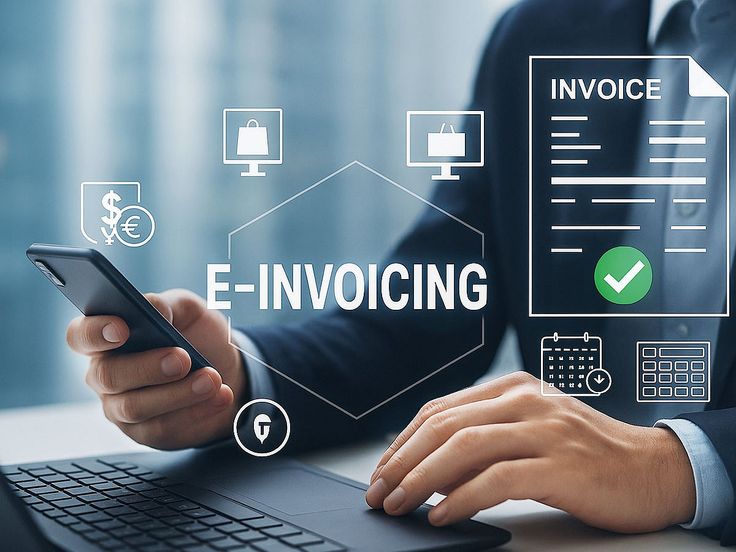
E-Invoicing (Electronic Invoicing) in the UAE is a digital system where invoices are generated, exchanged, and stored in a structured electronic format instead of paper or unstructured PDFs.
The system is being introduced by the Federal Tax Authority (FTA) as part of the UAE’s digital tax transformation to improve transparency, reduce tax fraud, and streamline compliance.
📌 Why UAE is Introducing E-Invoicing
The UAE government is implementing e-invoicing to:
- Improve tax compliance and accuracy
- Reduce manual errors in invoicing
- Speed up VAT reporting and audits
- Increase transparency in business transactions
- Align with global tax digitalization standards
🏢 Who Will Be Affected?
Once fully implemented, e-invoicing will apply to:
- Mainland businesses
- VAT-registered companies
- Large enterprises (first phase rollout)
- Later expansion to SMEs and all taxable entities
Both B2B (Business-to-Business) and B2G (Business-to-Government) transactions will be impacted.
📄 How UAE E-Invoicing Works
The system will follow a structured digital flow:
- Invoice is created in accounting or ERP system
- Invoice is converted into a standardized electronic format
- Data is validated through an approved platform
- Invoice is sent to the buyer and tax authority system
- Invoice is stored digitally for audit purposes
This ensures real-time or near real-time reporting.
⚙️ Key Requirements for E-Invoicing Compliance
Businesses will need:
- Compatible accounting or ERP software
- Integration with approved e-invoicing platform
- Structured invoice format (not just PDF)
- Digital archiving system for records
- Secure data transmission capability
Popular systems like Zoho Books, QuickBooks Online, and other ERP platforms are expected to support integration once UAE standards are finalized.
🔐 Benefits of E-Invoicing for Businesses
- Faster invoice processing
- Reduced accounting errors
- Automated VAT reporting
- Improved cash flow management
- Easier audit compliance
- Less paperwork and manual work
⚠️ Challenges Businesses May Face
- Upgrading old accounting systems
- Training staff on new processes
- Integration with government-approved platforms
- Ensuring data security compliance
- Initial setup and migration costs
📅 UAE E-Invoicing Rollout Timeline
The UAE is expected to introduce e-invoicing in phases:
- Phase 1: Large businesses and high-risk sectors
- Phase 2: Medium and small businesses
- Phase 3: Full nationwide adoption
Exact timelines may vary based on FTA announcements.
📌 Conclusion
UAE E-Invoicing is a major step toward a fully digital tax ecosystem. Businesses should start preparing early by upgrading their systems, ensuring software compatibility, and understanding upcoming compliance requirements.
Early adoption will help businesses avoid disruption and stay ahead of regulatory changes.